
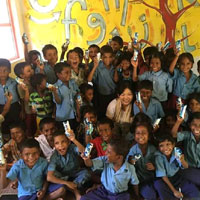
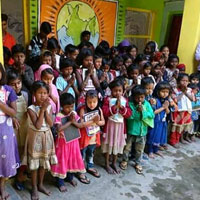
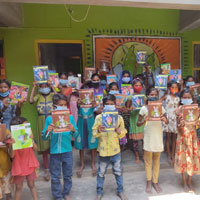
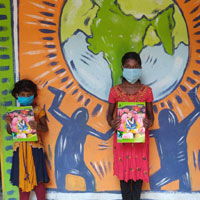
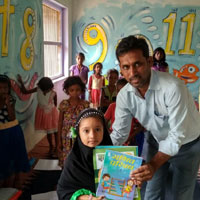
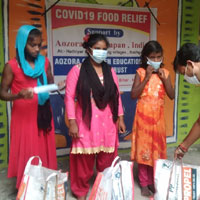
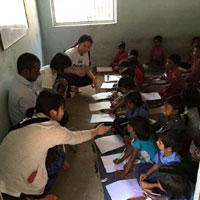
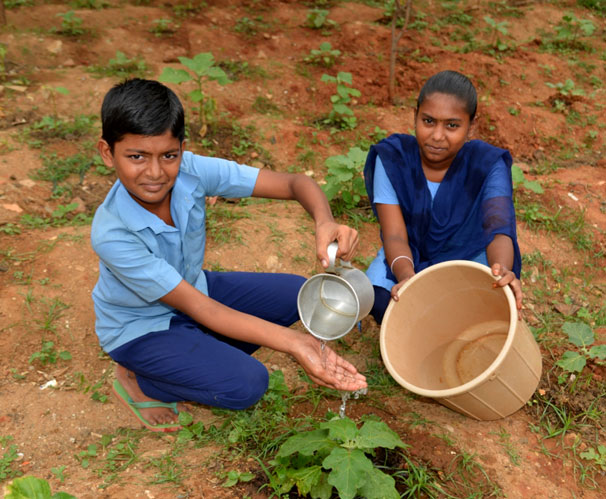
While going green is the need of the hour, we all know it can be tough or time consuming even if we want to make this world a better place. This is where initiatives like Pedh Lagao Dharti Bachao comes in. Azora Children Educational Welfare Trust organized several plantation drives in the city with only one aim that only a city can be beautiful with a clean environment.
SINGLE USE PLASTIC FREE INDIA
Like much of the world, India is struggling to dispose its growing quantities of plastic waste given how ubiquitous it has become — from our tooth brushes to debit cards. Our Honorable Prime Minister Shri Narendra Modi, urged people to kickstart a new revolution against plastic from 2 October, 150th birth anniversary of Mahatma Gandhi. Plastic pollution was the theme for this year’s environment day.
One of the most affecting thing is use of plastic bags in our day to day life. Plastic bags harm the environment in numerous ways. Once they enter into soil, they lower its fertility and affect our farmers production. This plastic piles lying by our roadsides or accumulating in empty lots or choking up water bodies.
In the past year alone, plastic—specifically single-use plastic—faced significant amounts of public backlash. Regular plastic is not biodegradable and sticks around for many years—we've all seen the images of this material in our oceans and parks.
Azora Children Educational Welfare Trust from its different campaigns seeks to raise awareness of the dangers of single-use plastic. Through educating at schools, panels and presentations, the organization seek to reduce plastic use in the country. They also reach out to corporate offices to educate people in the workplace and how that reduction can lead to a cleaner city.
With this intent to stop using single use plastic bags, Azora Children Educational Welfare Trust is comes up with a campaign on Plastic Free India.
Azora Children Educational Welfare Trust tied up with many societies in Bodhgaya and Gaya from where we collect old clothes like bed sheets, curtains, table cloths and many more which is in a condition of reuse. Thereafter we employed women hailing from nearby localities to make cloth bags that can help to save environment. These eco-friendly, reusable, economical, durable, washable bags made from cotton, canvas and jute are designed and created by underprivileged rural and urban women in need of employment. We identify needy women in the rural areas and facilitate them with clothes, provide training towards stitching and designing through sewing machine. These bags truly serve the cause of empowering underprivileged women and creating a livelihood for them.